

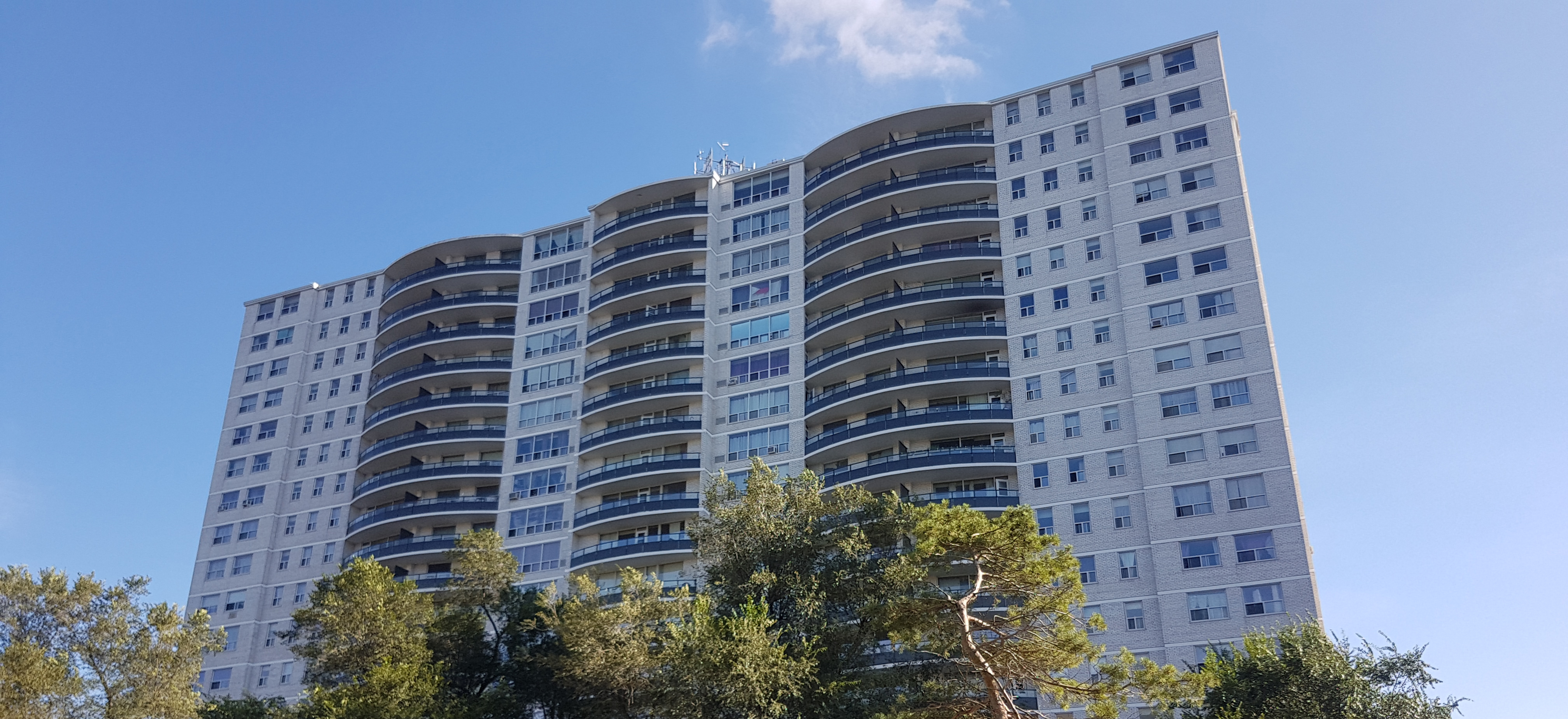
RentSafeTO: What Renters Should Know
Posted May 13, 2026
What is RentSafeTO for Renters in Toronto?
RentSafeTO is a City of Toronto program that inspects, evaluates, and scores purpose-built rental apartment buildings in Toronto to ensure compliance with established minimum standards for maintenance, health, and safety. Through regular inspections and a standardized rating system, the program promotes accountability and consistent property management practices across the rental housing sector in the city.
For renters in Toronto, RentSafeTO provides public, third-party information on building conditions and management performance. This added level of transparency supports more informed decision-making and enables residents to better assess the quality and reliability of a rental community.
What does RentSafeTO do?
RentSafeTO Program Overview:
- • Mandatory Registration: Qualifying purpose-built rental apartment buildings are required to be registered with the City of Toronto, ensuring they are subject to ongoing regulatory oversight.
- • Proactive Inspections: The program conducts regular, standardized inspections of common areas and critical building systems to assess compliance with municipal maintenance, health, and safety standards.
- • Performance-Based Scoring: Buildings are assigned a formal score based on inspection outcomes, providing a clear and consistent benchmark of property condition and management performance.
- • Enforced Compliance: Property owners are required to address identified deficiencies and maintain adherence to City standards, supporting continuous improvement in building operations.
- • Public Transparency: Inspection results and building scores are made publicly available, enabling renters to make informed, data-driven housing decisions.
What the RentSafeTO Score Means for Renters
Understanding RentSafeTO Scores:
A RentSafeTO score provides an overall assessment of a building’s performance across several key operational areas, including:
- • Maintenance: Condition and upkeep of building systems and common elements such as elevators, lighting, and general repairs
- • Health and Cleanliness: Standards related to waste management, pest control, and overall sanitation
- • Safety: Compliance with fire safety requirements, emergency exits, and the condition of common areas
For renters, a higher RentSafeTO score generally indicates a well-maintained property with consistent upkeep, responsive management, and fewer unresolved maintenance concerns. It reflects a proactive approach to building operations and resident care.
A lower score may indicate gaps in ongoing maintenance, recurring deficiencies identified through repeat inspections, or delays in addressing repairs. It can also reflect a need for stronger operational oversight and more consistent compliance with City standards, often resulting in increased monitoring or follow-up by municipal authorities to ensure issues are resolved.
Why RentSafeTO Matters to Renters?
Value of RentSafeTO for Renters:
- • Enhanced Transparency: Provides verified, third-party insights into building conditions and management performance, supporting more informed rental decisions.
- • Increased Accountability: Establishes clear expectations for landlords and property managers to maintain consistent standards and address deficiencies promptly.
- • Regulatory Assurance: Confirms that buildings are regularly inspected against City of Toronto requirements for maintenance, health, and safety.
- • Objective Benchmarking: Enables renters to compare properties using standardized performance data, offering a more reliable assessment beyond marketing materials.
Ultimately, RentSafeTO helps address a critical consideration for renters: the quality, consistency, and reliability of day-to-day property management.
Step 1: Visit the City of Toronto’s RentSafeTO Database
The City of Toronto maintains a public RentSafeTO building lookup tool. This database allows renters to search inspection results for registered rental apartment buildings across the city.
You will be able to search by:
- • Building address
- • Street name
- • Ward or area
How do I check my buildings RentSafeTO Scores?
Step 2: Search Your Building Address
Enter the apartment building’s full address into the search field. If the building is registered under RentSafeTO, it will appear in the results, including the inspection history.
Step 3: Review the RentSafeTO Score and Inspection Details
Each registered building profile provides a comprehensive overview of performance, including:
An overall RentSafeTO score
- • Category-specific scores across key areas such as: Maintenance Health Safety
- • The date of the most recent inspection
- • Details of any follow-up inspections or required compliance actions
Higher scores generally reflect stronger operational standards, consistent maintenance practices, and effective property management.
What KG Group’s Excellent Scores Mean for Renters in Toronto
All KG Group rental communities have achieved superior RentSafeTO scores.
- • E18HTEEN: 18 Erskine Ave. RentSafeTO Score: 100%
- • Roehampton: 305 Roehampton Ave. RentSafeTO Score: 100%
- • Hampton House: 322 Eglinton Ave. East RentSafeTO Score: 100%
- • Harrison: 105 Harrison Garden Blvd. RentSafeTO Score: 99%
- • The Oaks: 2 – 12 Oakburn Cres. RentSafeTO Score: 98%
- • Viewpoint Towers: 35 Canyon Ave. RentSafeTO Score: 94%
RentSafeTO vs Condo Rental Standards:
What Renters Need To Know
RentSafeTO is a City of Toronto regulatory program that inspects and assigns performance scores to purpose-built rental apartment buildings, ensuring compliance with established standards for maintenance, health, and safety. Through regular evaluations and publicly accessible reporting, the program promotes transparency, accountability, and consistent operational quality.
In contrast to purpose-built rental apartment buildings, condominium rentals, individually-owned units within condominium buildings, are not subject to RentSafeTO oversight and do not follow a standardized inspection or scoring system. As a result, there is limited publicly available information on building-wide maintenance, health, and safety performance, and management practices may vary depending on the condominium corporation or individual unit owner.
Top 5 Key Differences for Renters in Toronto
1. Oversight and Inspections
Purpose-Built Rental Apartments (RentSafeTO):
Buildings are registered with the City of Toronto and subject to regular, standardized inspections under the RentSafeTO program. Performance is scored, deficiencies must be addressed, and compliance is actively enforced to maintain consistent standards for maintenance, health, and safety.
Condominium Rentals:
Condominium rental units—privately owned residences within condominium buildings—are not subject to a comparable city-wide inspection or scoring framework. Oversight is managed by condominium corporations and individual owners, resulting in varying levels of maintenance and operational consistency.
Implications for Renters:
Purpose-built rentals provide structured, third-party oversight and transparency through RentSafeTO, while condominium rentals rely on individual ownership with less standardized visibility into building performance.
2. Transparency for Renters
Purpose-Built Rental Apartments (RentSafeTO):
RentSafeTO provides publicly accessible, address-searchable data, including building scores, inspection dates, and compliance history. This standardized information offers clear visibility into building performance and management practices.
Condominium Rentals:
Condominium rental units do not have a comparable public reporting system. As a result, renters must rely on unit tours, limited owner disclosures, and third-party reviews to assess building condition and management quality.
Implications for Renters:
RentSafeTO enables objective, data-driven comparison across rental buildings, while condominium rentals offer more limited transparency and fewer standardized indicators of overall property performance.
3. Maintenance and Building Standards
Purpose-Built Rental Apartments (RentSafeTO):
Under RentSafeTO, buildings are evaluated against defined municipal standards across key areas, including common areas, core building systems, cleanliness, safety features, and ongoing maintenance practices. This structured framework promotes consistency, accountability, and a higher standard of operational performance.
Condominium Rentals:
In condominium buildings, maintenance standards and building conditions can vary significantly depending on the financial position of the condominium corporation, board governance, and the level of individual owner involvement.
Implications for Renters:
Purpose-built rental apartments are maintained according to consistent, city-regulated standards, while the quality and reliability of condominium rental experiences may vary more widely across properties.
4. Intended Purpose and Design
Purpose-Built Rental Apartments (RentSafeTO):
RentSafeTO is specifically designed to support and protect renters in purpose-built rental housing. The program establishes clear, enforceable standards for maintenance, health, and safety, with a primary focus on ensuring a consistent and reliable living experience for tenants.
Condominium Rentals:
Condominium frameworks are primarily structured to govern ownership, shared responsibilities, and the financial and operational management of the building. They are not specifically designed to regulate rental conditions or tenant experience.
Implications for Renters:
RentSafeTO operates with a renter-centric mandate, prioritizing transparency, accountability, and living standards. In contrast, condominium governance models are owner-focused, with less direct emphasis on the consistency and quality of the rental experience.
5. RentSafeTO, The Residential Tenancies Act for Rentals and The Condominium Act for Condos
Purpose-Built Rental Apartments (RentSafeTO):
Purpose-built rental apartments are governed by the Residential Tenancies Act and, where eligible, RentSafeTO, creating a more direct framework for tenant rights, maintenance standards, and building accountability.
Condominium Rentals:
Condo rentals are also subject to the Residential Tenancies Act, but they operate within an additional condominium governance structure under the Condominium Act, meaning renters may be affected by condo rules, board decisions, and common-area policies beyond their lease.
Implications for Renters:
Purpose-built rentals usually offer a more direct and standardized accountability structure:
Tenant → professional landlord/property manager → RTA + RentSafeTO oversight.
Condo rentals can involve more layered accountability:
Tenant → individual landlord → condo corporation → RTA + Condominium Act framework.
Conclusion
RentSafeTO delivers a structured framework of transparency, accountability, and standardized building performance that is not consistently present within the condominium rental market. While many condominium units are well maintained, the overall rental experience is largely dependent on individual unit owners and the governance of the condominium corporation, resulting in variability across properties.
Purpose-built rental apartment buildings governed by RentSafeTO provide a more consistent, regulated, and predictable living environment, offering renters greater confidence in building operations, maintenance standards, and long-term management quality.